Why a trip to Oslo is worth it
A trip to Oslo isn’t like the classic European capitals. It doesn’t have grand medieval squares, Gothic churches or rivers splitting the city in two. Here you’re in Scandinavia, and that shows from the very first moment. The city spreads along a fjord, among forests and clean air, and gives you a sense of calm you rarely find elsewhere.
If you’re planning a trip to Oslo, you’ll discover a capital that moves to its own rhythm. The distances are short, everything is organised and nature comes right into the city’s life. You can walk from the centre to the beach, climb onto the roof of the Opera House, step into museums that tell of explorers and Vikings, and lose yourself in parks full of sculptures.
A first encounter with Oslo
In summer the city comes alive. The locals fill the beach, cycle, swim in the fjord and enjoy the light that lasts until late at night. In winter, Oslo becomes quieter and more atmospheric, ideal for strolls through the centre, museums and cosy cafés.
A trip to Oslo is easier than you think. From Greece you can usually get there with one stop, and within a few hours you find yourself in a capital that combines open space, quality of life and lots of nature. It’s a city that stands on its own. But it’s also an excellent starting point for getting to know all of Norway.
A trip to Oslo: the city’s first impression
Oslo is a capital that quickly draws you into its mood. The centre is clean, calm and comfortable to walk. A city with modern architecture, large public spaces and routes that often end at the sea. The city is built around a fjord, the Oslofjord. And this completely changes the sense you have of the ‘urban landscape’. Here the sea isn’t on the edge of the city. It’s part of everyday life.
Oslo’s neighbourhoods are different from one another but share one common trait: simplicity and quality. In the centre you’ll find modern buildings, lovely pedestrian streets and many museums. A little further out, small wooden houses, parks and a calmer pace of life. The city is lively without becoming noisy. And that’s what makes it pleasant from the very first stroll.
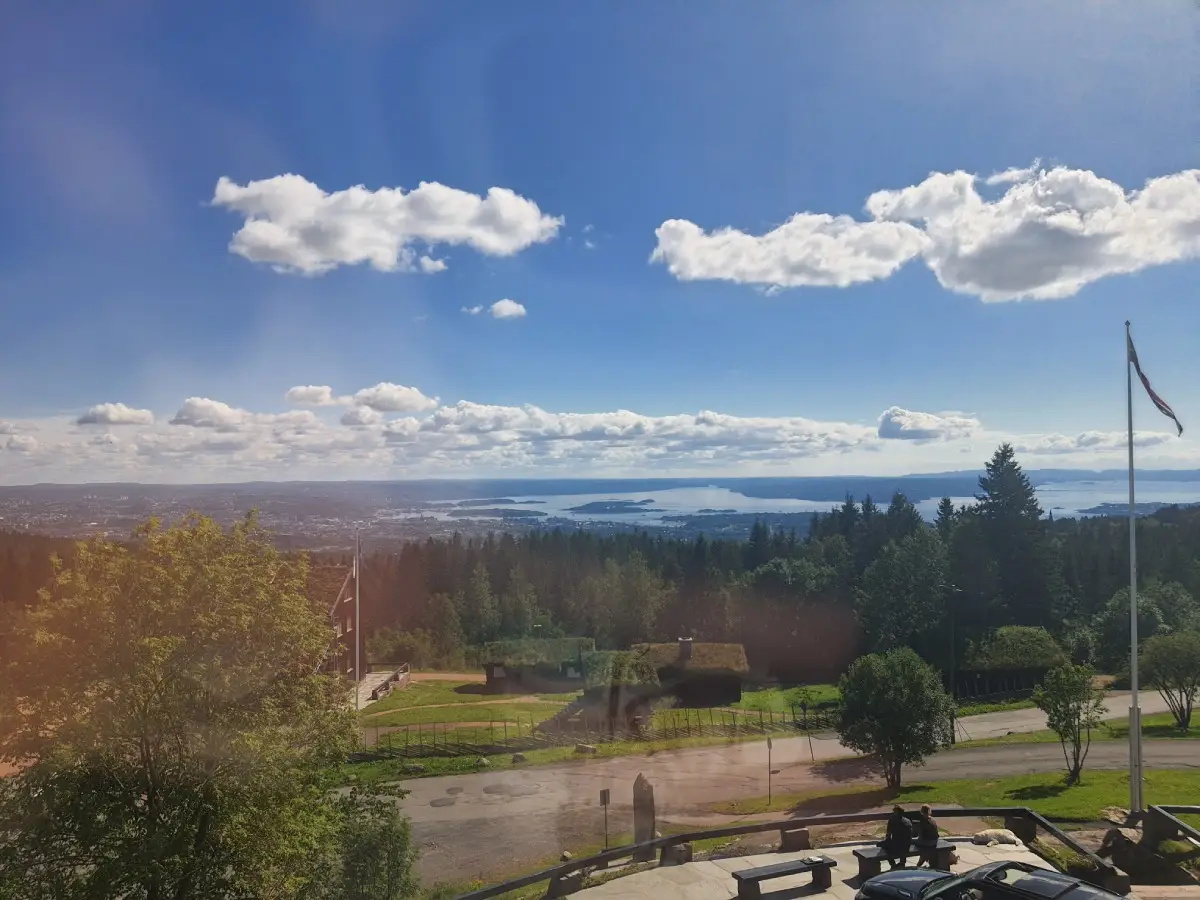
Everyday life in Oslo revolves around nature. The locals go everywhere on foot or by bike. They go out walking in the parks, sit beside the water even on the coolest days and fill the quaysides whenever there’s even a little sun. In summer the light lasts for hours and the city almost feels like the countryside. In winter the atmosphere changes. Oslo becomes more atmospheric and ideal for museums and relaxed strolls through the centre.
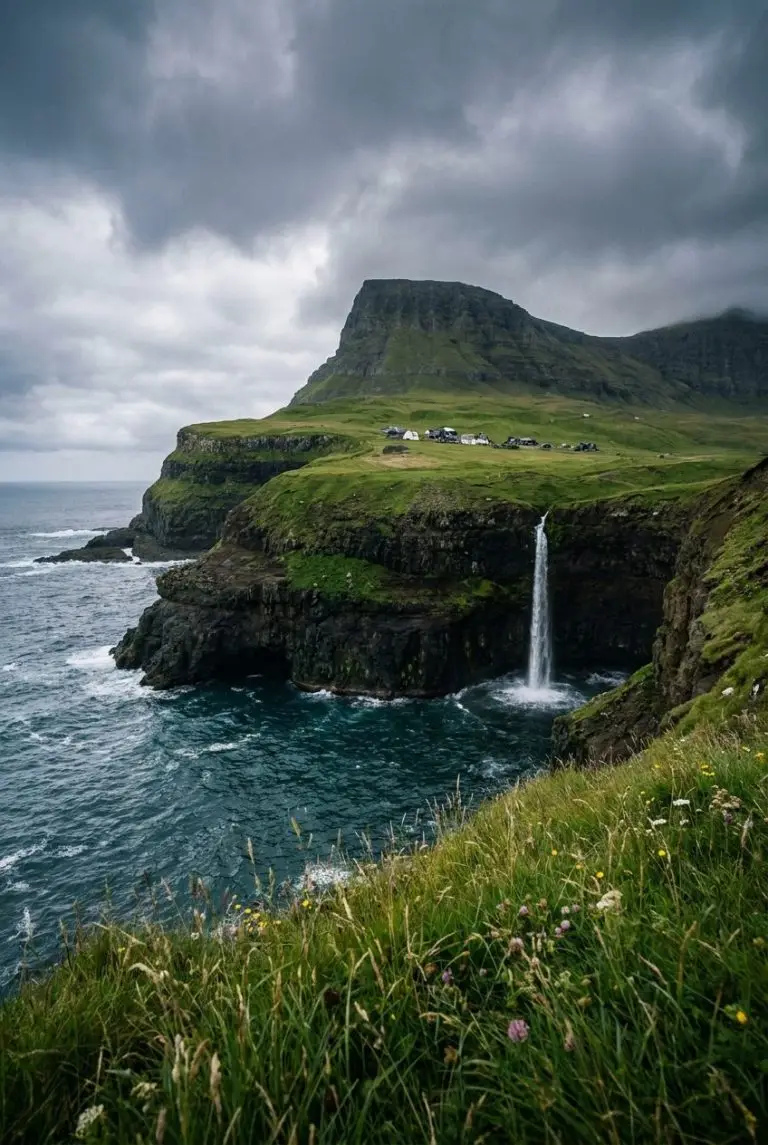
For those travelling from Greece, Oslo is closer than you think. It’s an ideal starting point for getting to know Norway. From the Atlantic Road – see our detailed roadtrip here – and the famous fjords, to Bergen, Tromsø and the Lofoten. A base-city that takes you further.
If you’re wondering what to see
The 10 top sights in Oslo
1. Oslo Opera House – walk on the Opera’s roof
The Oslo Opera House is one of the city’s most characteristic spots. The building looks as if it ‘slides’ into the water and is designed so you can walk on its white roof. It’s one of the loveliest walks in the centre. You climb up high, see the fjord and the new park below it. From there you can also see the Barcode District, with its characteristic row of modern buildings like a ‘bar code’.
The great thing about the Opera is that you don’t need a ticket to experience it. You simply walk on top of it and enjoy the city from a different perspective. If the weather’s nice, you’ll see locals sitting on the steps or gazing at the water. The sunset here is one of the most beautiful in Oslo.
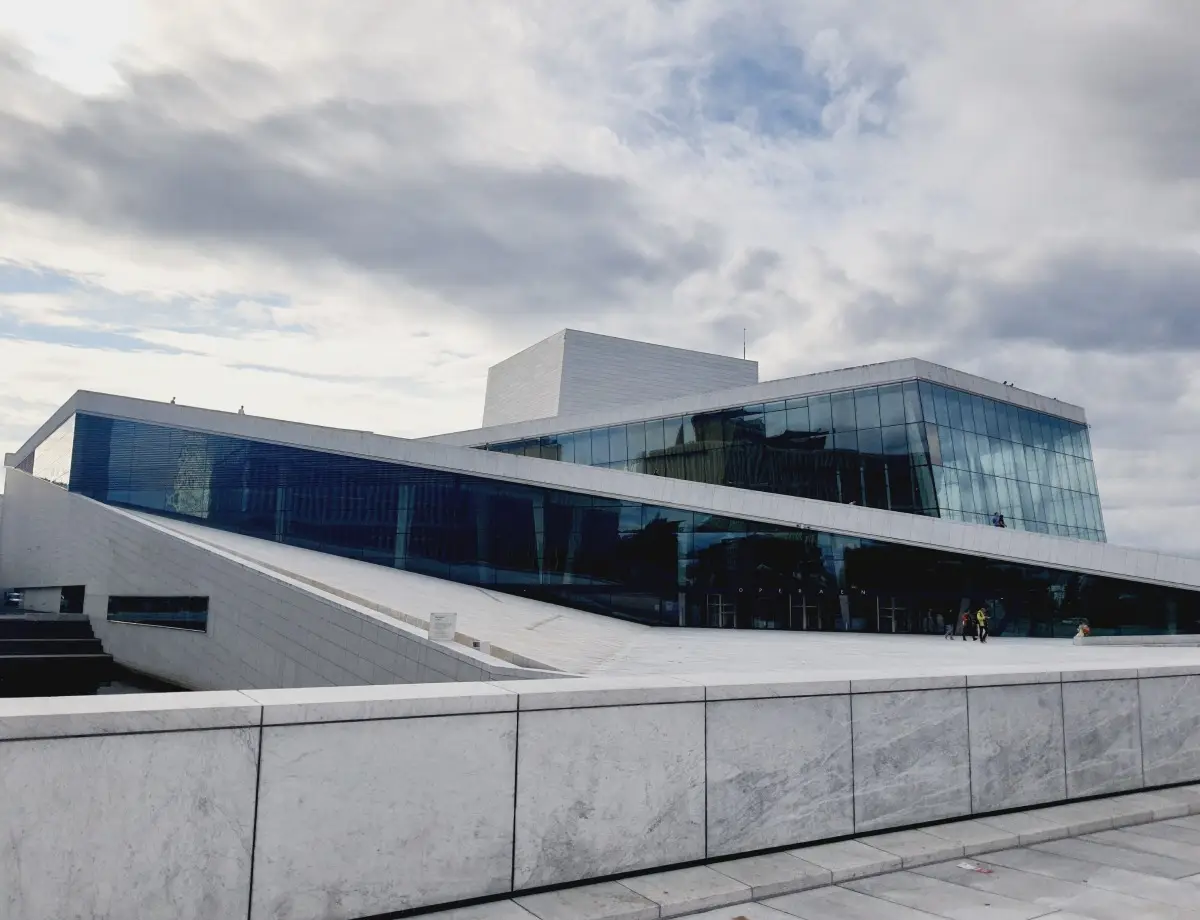
Ideal time: afternoon until sunset.
ℹ️ Extra tip: take a walk behind the Opera too. The new seafront route is superb.
2. Akershus Fortress – the medieval castle by the water
Akershus is Oslo’s castle. It sits in an ideal spot, on a low hill right next to the harbour. It’s not impressive in size, but its atmosphere is unique. You walk it easily, it has lovely paths and offers one of the best views of the city.
It’s a perfect combination of history and a relaxed stroll. The walls, the paths and the old buildings create a calm setting that doesn’t feel like a tourist sight. If you go early in the morning or just before sunset, you’ll see the harbour beautifully lit.
Ideal for a relaxed morning walk.
A lovely spot for photos with a view towards Aker Brygge.
3. Aker Brygge & Tjuvholmen – the liveliest seafront walk in Oslo
If you want an immediate taste of ‘modern Oslo’, come here. Aker Brygge and the neighbouring Tjuvholmen are the city’s liveliest seafront districts. Wide pedestrian streets, modern buildings, shops, cafés and restaurants by the sea. It’s one of the loveliest walks, from the quay to the end of the pier. The view towards the fjord is unique. On sunny days the locals sit on the wooden decks to relax or enjoy a beer by the sea. Towards the afternoon the area fills with people and life.
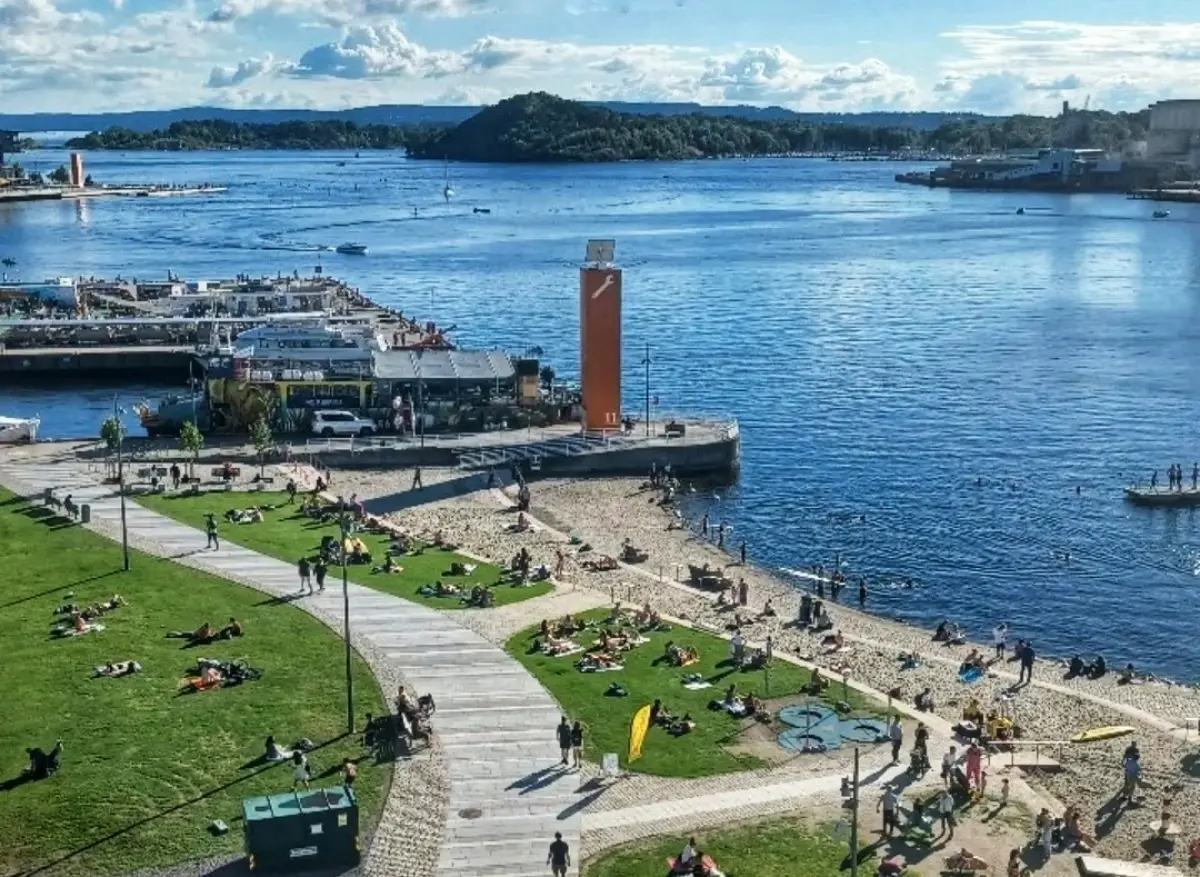
Extra tip: in Tjuvholmen you’ll also find the Astrup Fearnley Museum of Modern Art. Even if you don’t go in, the area around the museum is ideal for walking and photos.
4. Vigeland Park – the most unusual sculpture park in Norway
Vigeland Park is one of the most unexpected experiences in Oslo. It’s not just another park with ‘nice greenery’. It’s a huge open-air sculpture museum, full of human figures in every possible pose and emotion. Something like an open-air museum. All the works are by Gustav Vigeland.
You walk among them and feel as if you’re taking a journey through the various phases of life. You see sculptures-as-moments with joy, play, tension, illness, moments of happiness and scenes of childhood.
The park is huge, ideal for walking or a relaxed stroll. And in the sun it becomes one of the most beautiful places in the city. The walk is worth it, so keep some time aside. It’s not something you ‘rush through’.
5. Munch Museum – Art meets the city’s urban pulse
The Munch Museum houses the largest archive of works by Edvard Munch — the artist behind ‘The Scream’. The new building is striking: tall, metallic, with minimal lines. It stands out immediately.
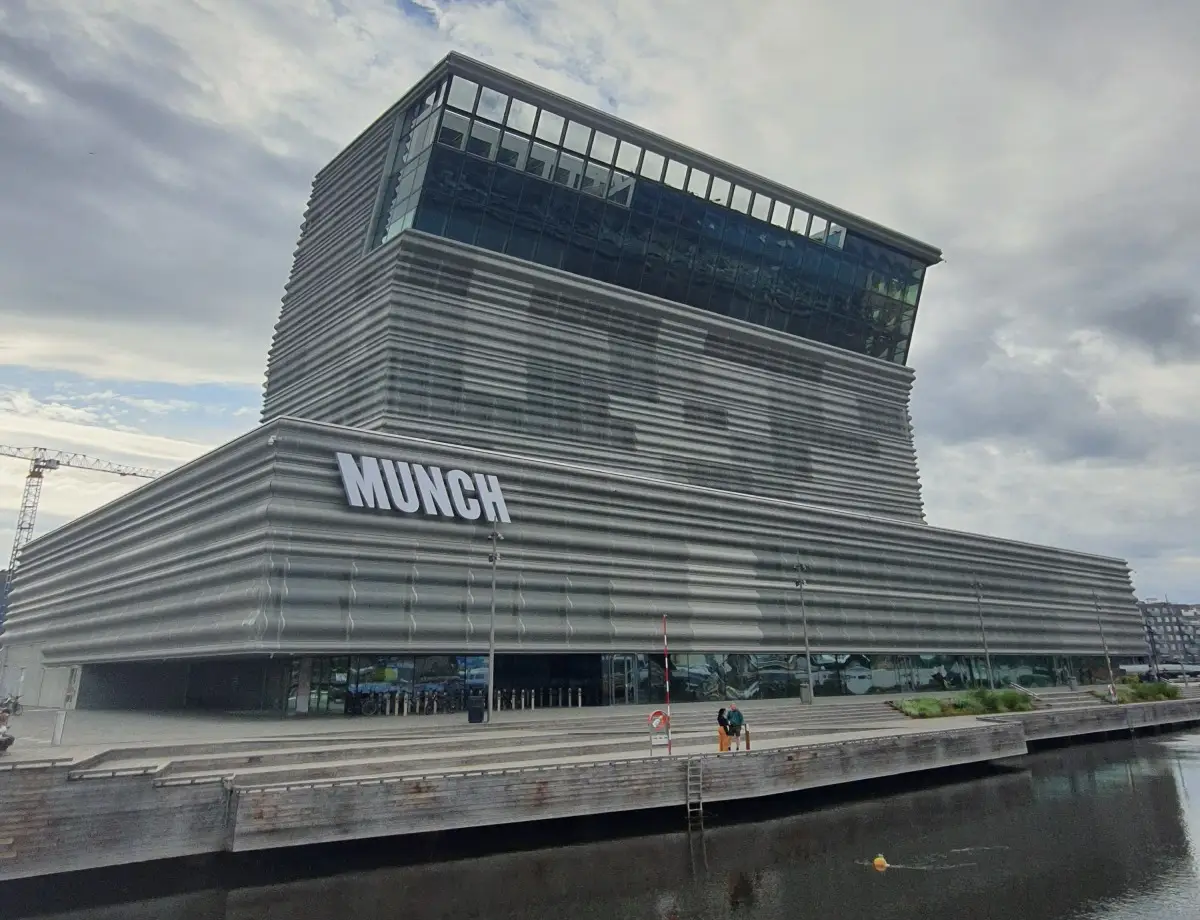
Inside you’ll see many versions of ‘The Scream’, along with paintings, drawings and personal objects of Munch. The museum is easy to ‘read’ even if you’re not an art expert. The visit is worth it because, beyond his works, you can see the beautiful Norwegian capital from a 13-storey landmark building.
6. Frogner Park – the calm part of Oslo
Frogner Park is the large park within which Vigeland Park is located, but it leaves you with a completely different feeling. Here the pace drops. Green expanses, lakes, large trees, families having picnics, groups of friends relaxing. It feels more like the countryside than just another ‘urban park’.
Ideal for a relaxed walk, a picnic or a break from the city’s pace.
7. A cruise on the Oslofjord – See Oslo from the sea
Oslo is built within a fjord. And that changes everything.
A small cruise on the Oslofjord is one of the loveliest experiences in the city. We’re not talking about huge cruise ships, but small wooden boats that make relaxed trips around the fjord. You see Oslo from another angle and feel the calm.
- Go in the afternoon – the reflections on the water are beautiful.
- Take a jacket. Even in summer the sea breeze is cooling.
- Ideal for those who want to see the fjord without leaving the city.
8. Grünerløkka – the most relaxed neighbourhood in Oslo
If you want to see what ‘everyday’ Oslo is like, come for a walk in Grünerløkka. It’s the city’s most relaxed and youthful neighbourhood. Small cafés, bars, second-hand shops, street art and squares that fill with people as soon as a bit of sun comes out.
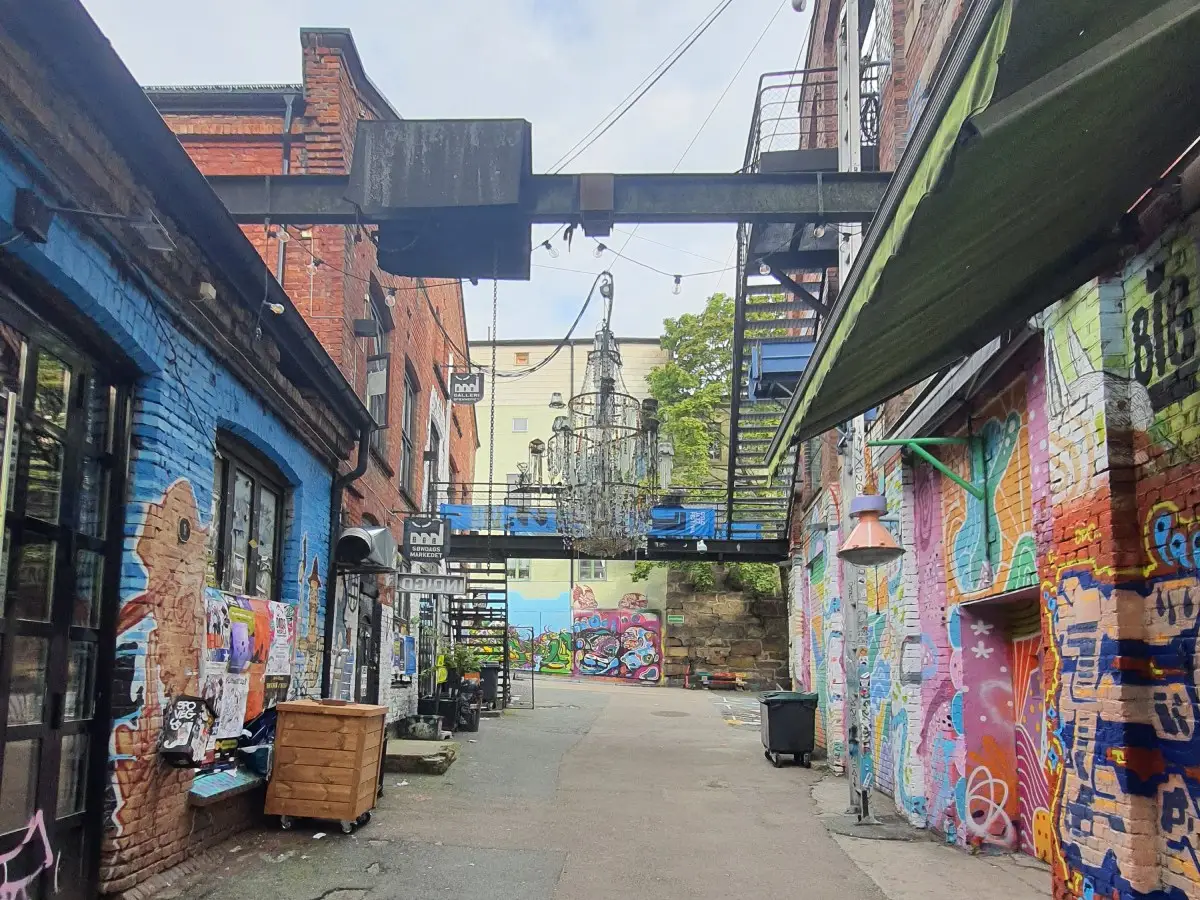
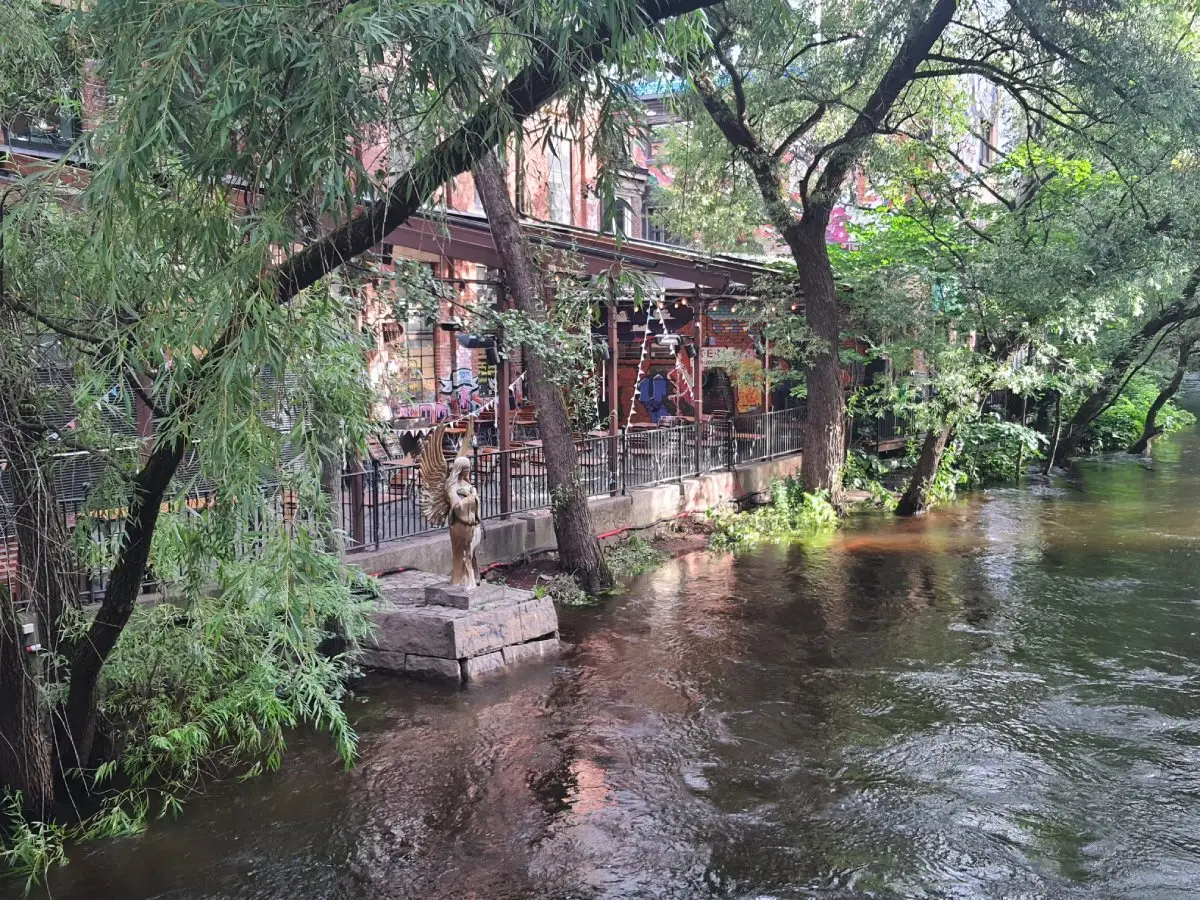
The area spreads around the Akerselva river. You can easily combine your stroll with a walk along the river. Narrow lanes, old industrial buildings turned into art spaces and courtyards where locals sit for hours.
Ideal for a relaxed afternoon with no plan. You just walk, browse shop windows, try some street food and let the neighbourhood show you the most laid-back, everyday face of Oslo.
9. Viking Ship Museum & Viking Planet – A journey to the Vikings
The Vikings are a big part of Norwegian history and they’re worth seeing up close — or better, ‘living’. The Viking Ship Museum is the most famous spot to see authentic Viking ships and get a true picture of their era. But there’s also Viking Planet, in the city centre, which is a different alternative. Basically it’s not the typical museum. It’s more alive. More interactive. Virtual reality (VR) experiences, screenings, scenes from the Vikings’ lives, their voyages, their ships. Small in size, but well made and easy to see without getting lost in endless halls.
If you want to feel a little of the spirit of Scandinavia before your stroll around the harbour, then it’s worth the time you’ll give it.
10. Mathallen & small places to eat
Norway’s flavours in a single stroll
If you want to try local flavours in Oslo without breaking the bank, Mathallen is for you. It’s an indoor market full of small shops, stalls and open kitchens with fresh products and plenty of beer options.
The place always has nice energy. Clean, lively, with music and people coming and going. Now and then small food events are set up that make the atmosphere even warmer.

Around Mathallen there are small bakeries and cafés for coffee on the go. The area beside the Akerselva river is ideal.
Oslo: a starting point to explore Norway

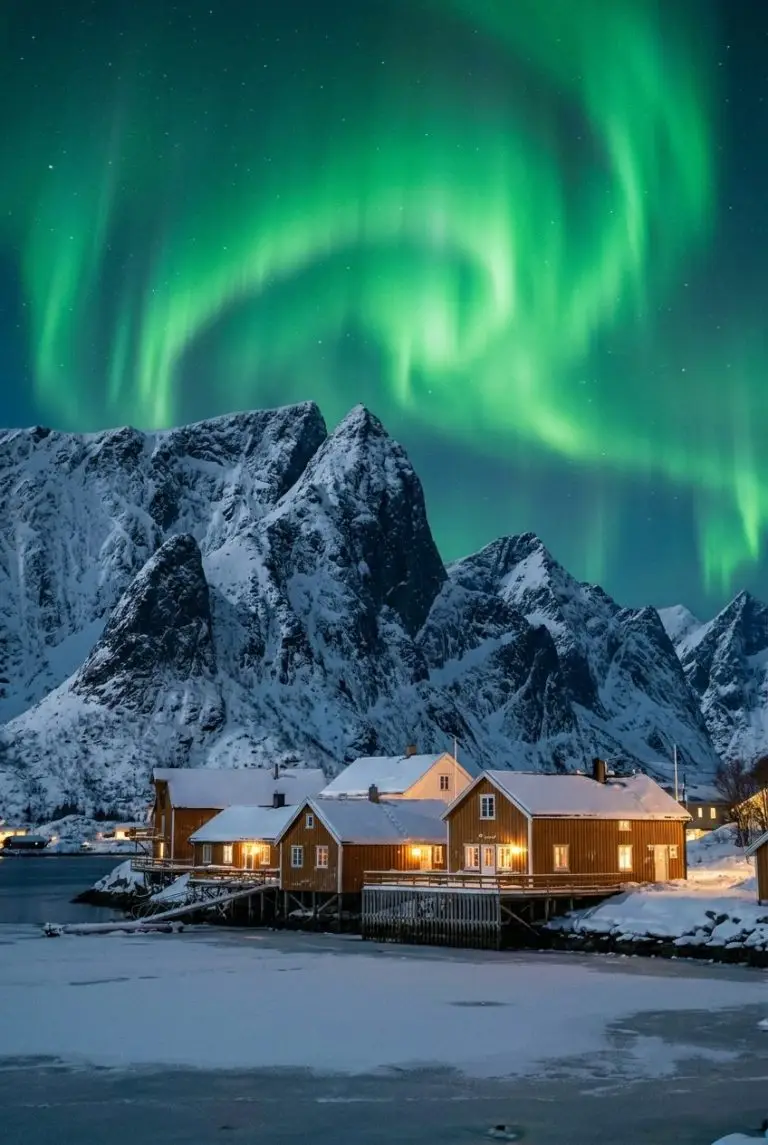
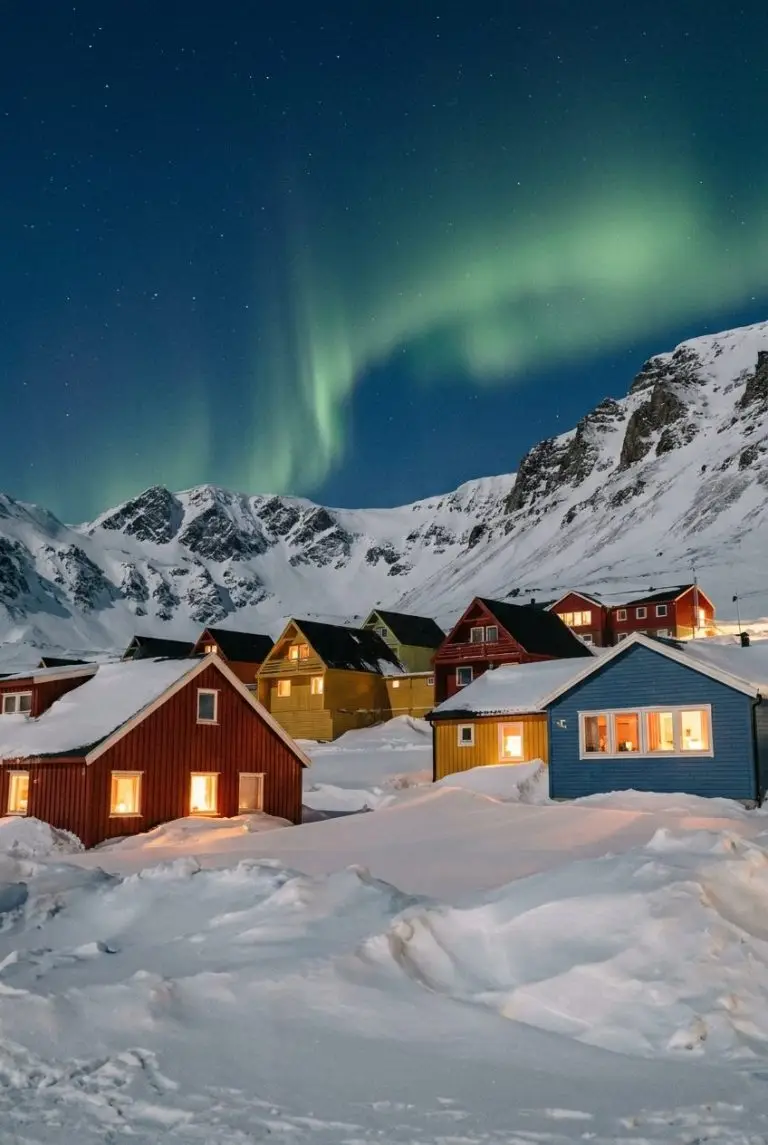
A trip to Oslo doesn’t stop at the city. For many it’s only the beginning. From there you can head to the Atlantic Road – one of the country’s most spectacular routes. And from there you can continue towards Bergen – see our detailed guide to travelling in Bergen – go further north to Tromsø and the Lofoten islands. Or even up to Svalbard to chase the Northern Lights. These are some of the trips we run with Altervan, connecting calm Oslo with Norway’s wildest landscapes.
Next step: your own stories
If you feel drawn to this combination of city and nature, keep it somewhere in mind. At some point you might find yourself on a rooftop at the Opera, on a wooden deck by the fjord or in a van somewhere between mountains and sea – and remember where the idea began.
With love for travel, roadtrips and adventure.
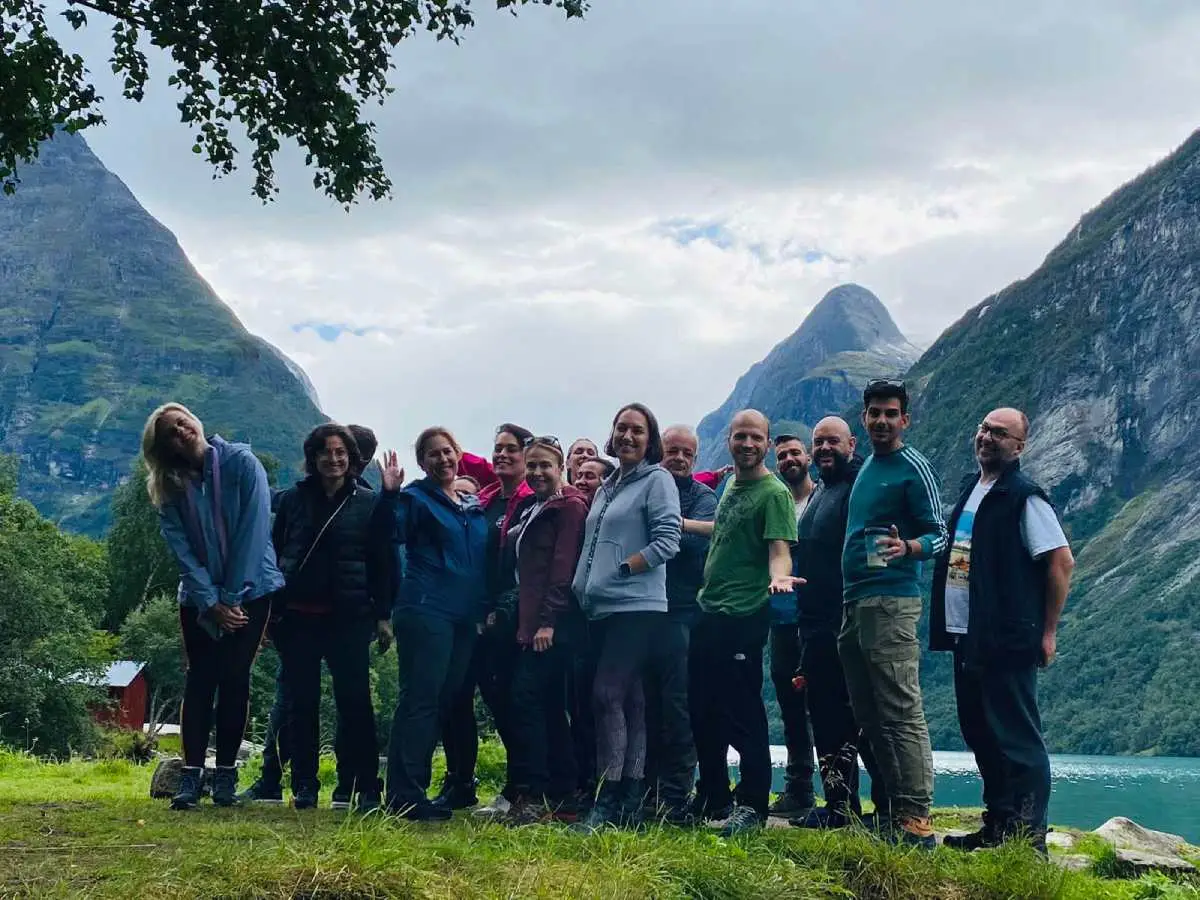
The Altervan team.