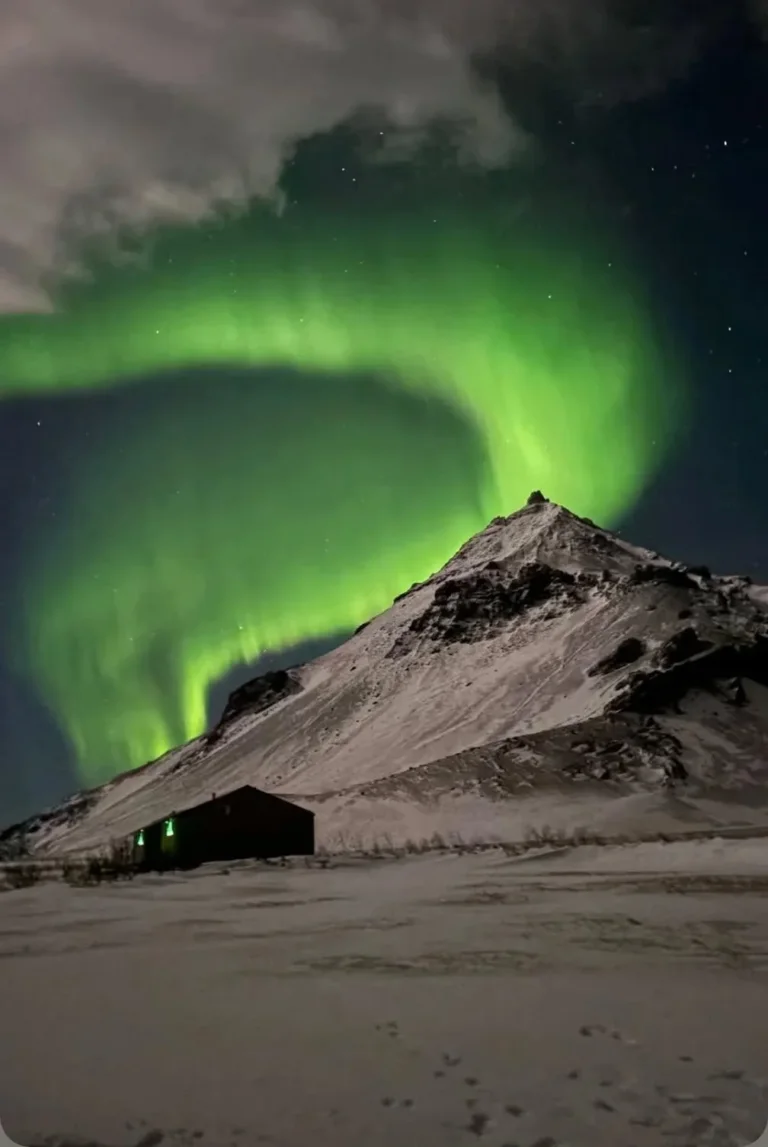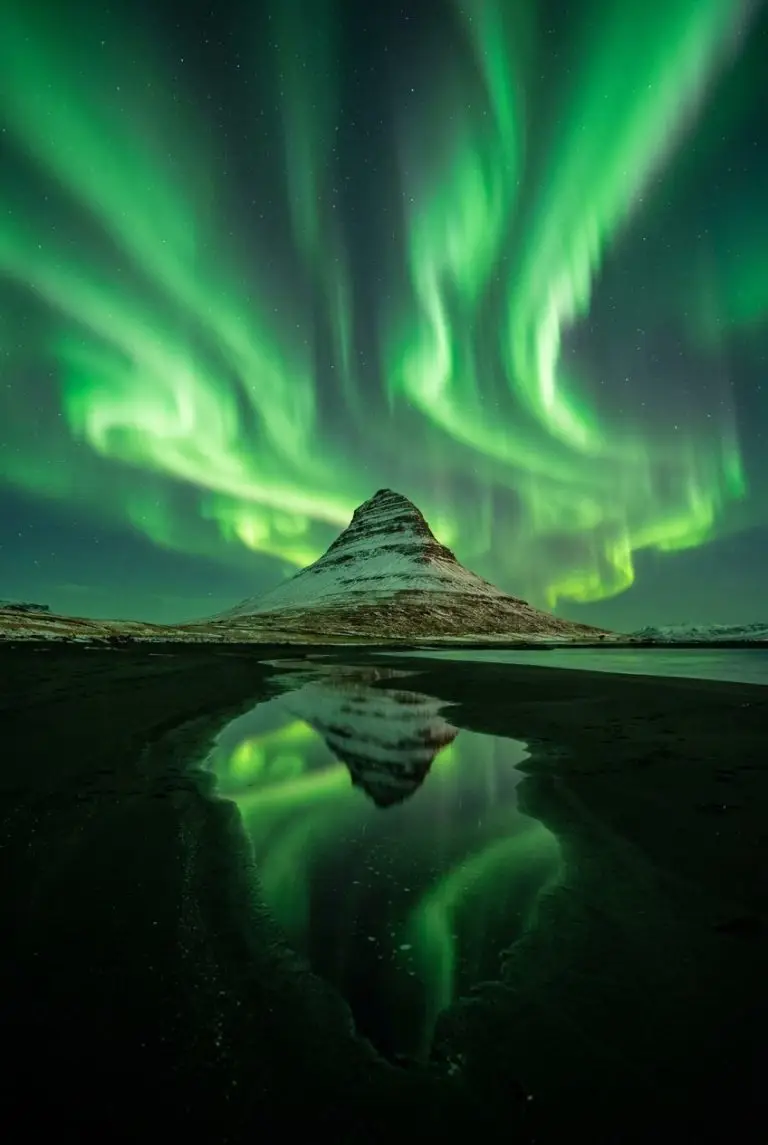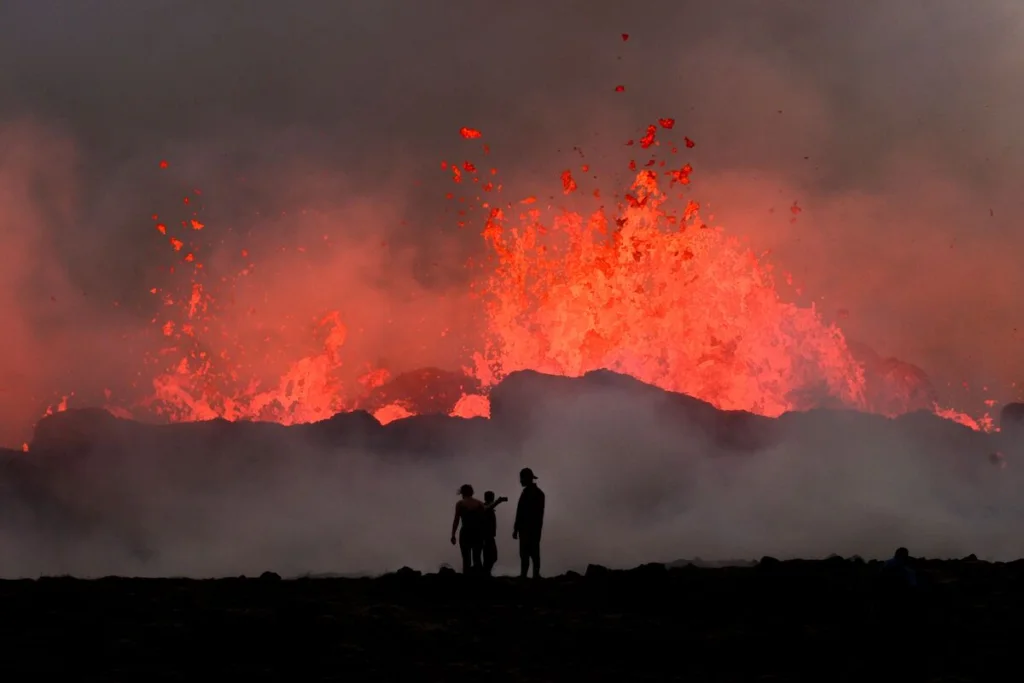
Few places on earth are shaped by fire like this one. The volcanoes in Iceland aren’t a distant curiosity — they built the island, and they keep redrawing it, with eruptions that light up the sky and lava fields you can walk across. Whether you want to understand why Iceland is so volcanic, see a fresh crater, or simply wander otherworldly black landscapes, here’s a traveller’s guide to the land of fire and ice.
Why Iceland is so volcanic
Iceland sits on the Mid-Atlantic Ridge, the boundary where the North American and Eurasian tectonic plates pull apart, and over a volcanic hotspot. That double act makes it one of the most volcanically active places on the planet, with around 30 active volcanic systems. The result is everything from glaciers sitting on top of volcanoes to geysers, hot springs and steaming geothermal valleys.
Famous volcanoes & eruptions
Some have made global headlines. Eyjafjallajökull famously grounded flights across Europe with its ash cloud. The Reykjanes Peninsula, near the capital and the international airport, has seen a series of dramatic eruptions in recent years — including the Fagradalsfjall and Geldingadalur events — with rivers of lava drawing visitors from around the world. Iceland’s volcanoes are monitored closely by scientists, so activity is tracked in real time.
Can you visit an erupting volcano?
Sometimes, yes — when an eruption is deemed safe and accessible, Iceland often allows visitors to hike to a viewing distance, and it’s an unforgettable sight. But it depends entirely on the eruption: gases, terrain and changing lava flows can make a site dangerous or off-limits. Always follow the authorities, go with a guide when advised, and check official alerts at SafeTravel.is and the Icelandic Met Office before you set out.
Volcanic landscapes to see (no eruption required)
Even between eruptions, the volcanoes in Iceland leave a spectacular trail:
- Lava fields — vast, moss-covered expanses of old lava, like a different planet.
- Geothermal areas — bubbling mud pools and steaming vents at places like Geysir and the highlands.
- Craters — colourful craters such as Kerið, with its red rim and blue water.
- Black-sand beaches & basalt columns — volcanic rock sculpted by the sea at Reynisfjara.
- Hot springs — the warm, mineral-rich pools that are a direct gift of all this geothermal heat.
Staying safe around volcanoes
Volcanic terrain can be unstable, gases can be harmful, and geothermal ground can be scalding — so stay on marked paths, heed every sign and warning, and don’t approach active areas without guidance. (For the bigger picture, see our guide on whether Iceland is safe to travel.)
See the land of fire with us
Standing on still-warm lava, with steam rising and a glacier glinting in the distance, is the kind of moment that stays with you. (Planning the trip? Start with our Iceland road trip guide.) See our next Iceland trips and come witness the land of fire and ice.
With love for travel, road trips and adventure,
The Altervan team.